
TL;DR: To hire mentor teachers, one self-directed learning institution drafted four documents: a qualifications evaluation form (five eligibility criteria, curriculum committee review, five-party sign-off); a candidate résumé with a twelve-point disqualification declaration; a thirteen-clause commission contract with two “unrelated to the curriculum” boundary provisions; and a principal-signed appointment letter. The purpose of drawing boundaries is to give trust somewhere to live long-term. The documents also have a blind spot: they protected children’s safety, the institution’s name, and the mentor’s intellectual property, but no one thought to address who owns what students make.
My inbox holds two emails from 2018. One arrived in late November, subject line: initial draft of the mentor contract. A week later, a second arrived, version two, now with a teaching framework and a sample appointment letter attached. Why was I on the list? Because I was both a parent and a prospective mentor, so the school wrote to invite me in both capacities.
The attachments were four documents: a Mentor Teacher Qualifications Evaluation Form, a Mentor Teacher Candidate Résumé, a Mentor Teacher Commission Contract, and an Appointment Letter. Every filename included the word beta.
“Finding a mentor teacher” sounds like knowing someone impressive and asking them to come share something with the kids. These documents were saying something else entirely: once a mentor becomes a regular part of the curriculum, that relationship cannot run on goodwill alone.
Selection: From “They’re Impressive” to “They’re Qualified”
The qualifications evaluation form opens with five eligibility criteria, any one of which is sufficient: an associate degree or above plus five years of practical experience; ten years of practical experience without a degree; past service as a coach or judge in a national-level competition; holding a national-level medal; or individual case determination through administrative procedure. If this sounds familiar, it should, the logic is borrowed from the qualification standards universities use when hiring professional and technical personnel, transplanted here into a self-directed learning institution.
Below the criteria, the form requires approval from the curriculum committee with meeting minutes attached. The final row is a five-party sign-off: principal, vice principal, academic affairs, homeroom teacher, and the referring party. That last one is the interesting design choice. Anyone who introduces a friend and recommends them as a mentor has their own name on the approval chain, a built-in accountability mechanism for the person who opened the door.
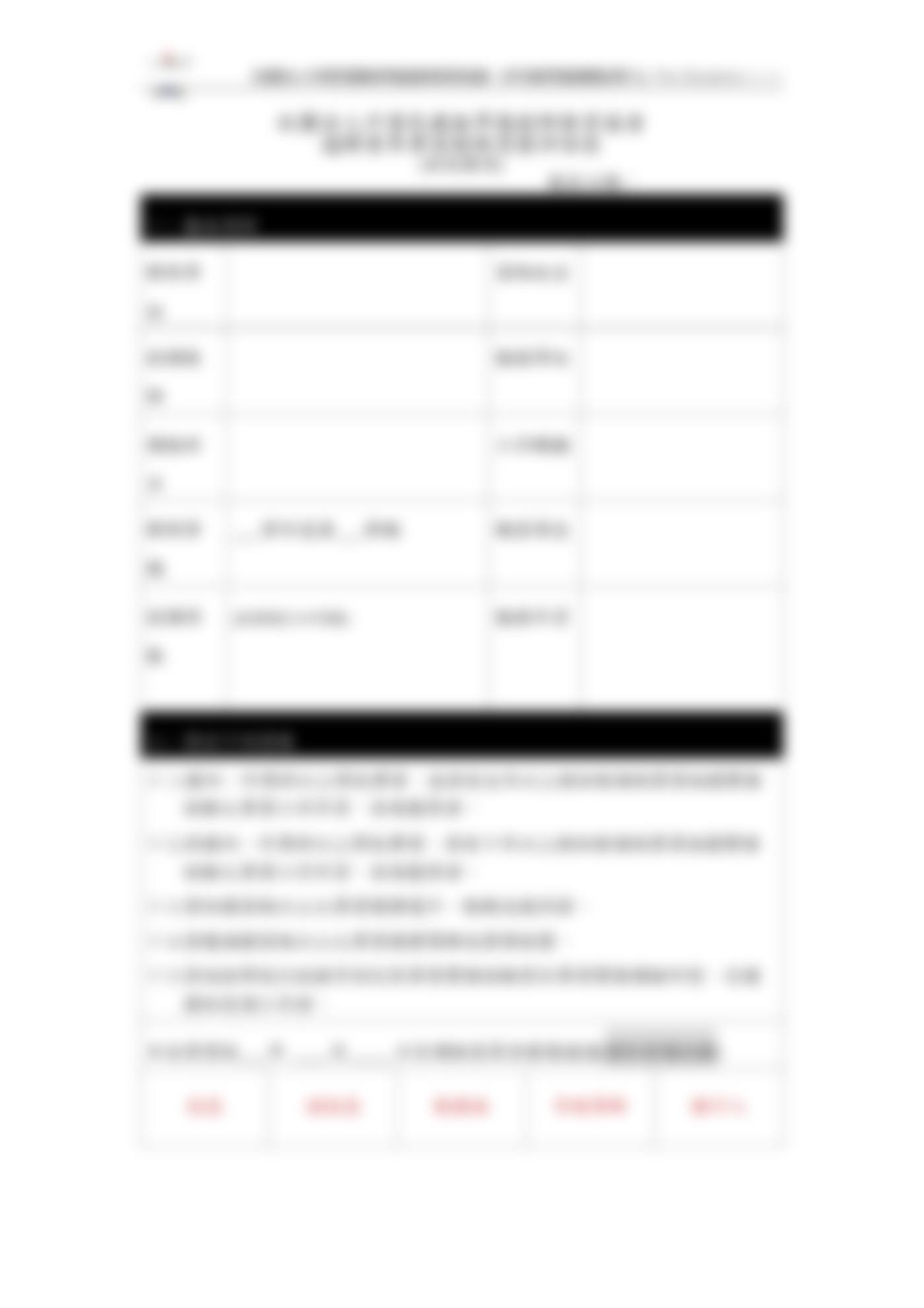
Mentor Teacher Qualifications Evaluation Form (original beta document). The document has been blurred and de-identified; only the structural layout is shown.
Then comes the résumé the mentor fills out themselves. At the bottom: a declaration. Twelve disqualifying conditions, listed one by one, gender equity violations, physical punishment, bullying, fabrication of evidence, and more. Children will spend extended time with this adult. The declaration may feel awkward, but it places a child’s safety ahead of personal relationships. That ordering should never be reversed in any educational organization.
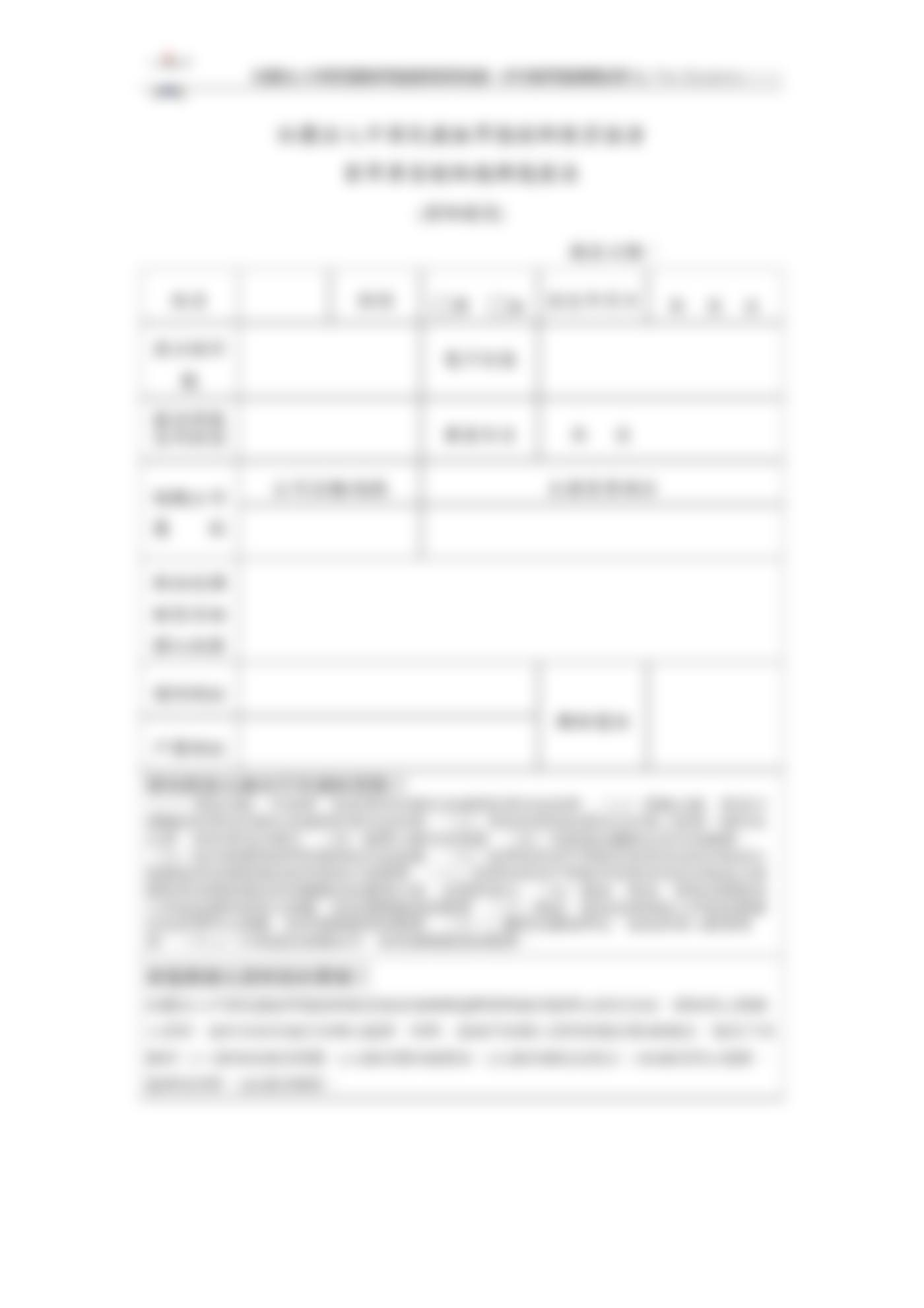
Candidate Résumé (original beta document); the twelve-point disqualification declaration sits at the very bottom. Document has been blurred and de-identified.
The Contract: Turning Goodwill into Boundaries
The commission contract runs thirteen clauses. Most are exactly what you’d expect: term of engagement, teaching hours, per-session fee, one week’s notice required for rescheduling, mandatory accident insurance for off-campus sessions with location specified. The real design thinking shows in two “unrelated to the curriculum” provisions.
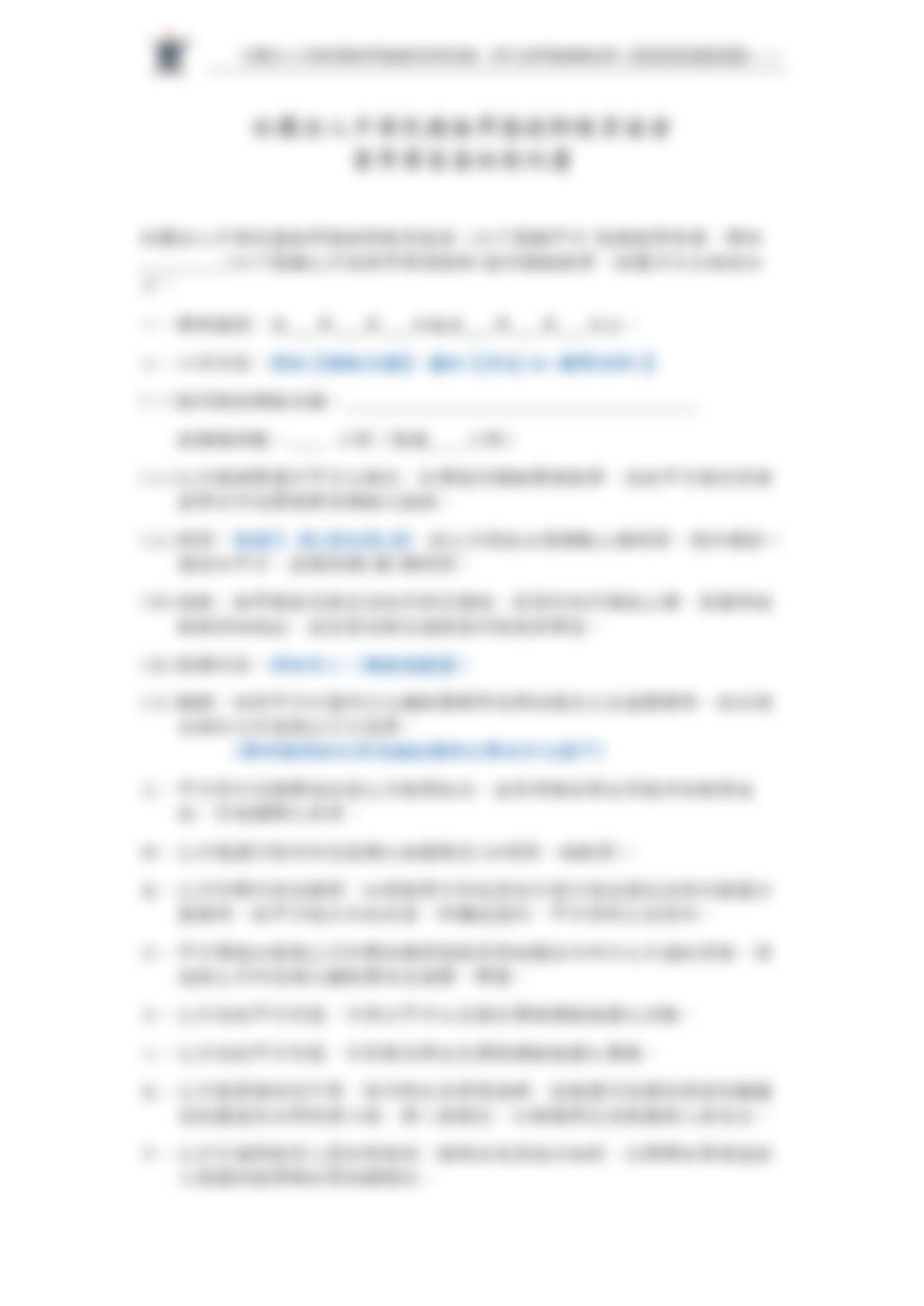
Commission Contract, first page (original beta document), covering the first half of the thirteen clauses. Document has been blurred and de-identified.
Clause Seven: the mentor may not conduct activities unrelated to the curriculum under the institution’s name without prior consent. Clause Eight: the mentor may not direct students to undertake tasks unrelated to the curriculum without prior consent.
Clause Seven protects the institution’s name. Clause Eight protects the students’ time and labor. In my article “Who Owns What Children Make,” I wrote about a category of disputes where student work produced inside a course gets taken by adults and monetized externally. Looking back, this contract was already trying, in 2018, to draw a line in roughly the right place.
But the story doesn’t end there. Here is what I actually want to talk about.
What the Documents Covered, and What They Missed
The contract includes one attachment: an intellectual property authorization consent form. The mentor authorizes the institution to record their lessons, digitize them, and host them on a learning platform. The terms are explicit: the mentor affirms ownership of the copyright and grants a license limited to non-commercial educational use.
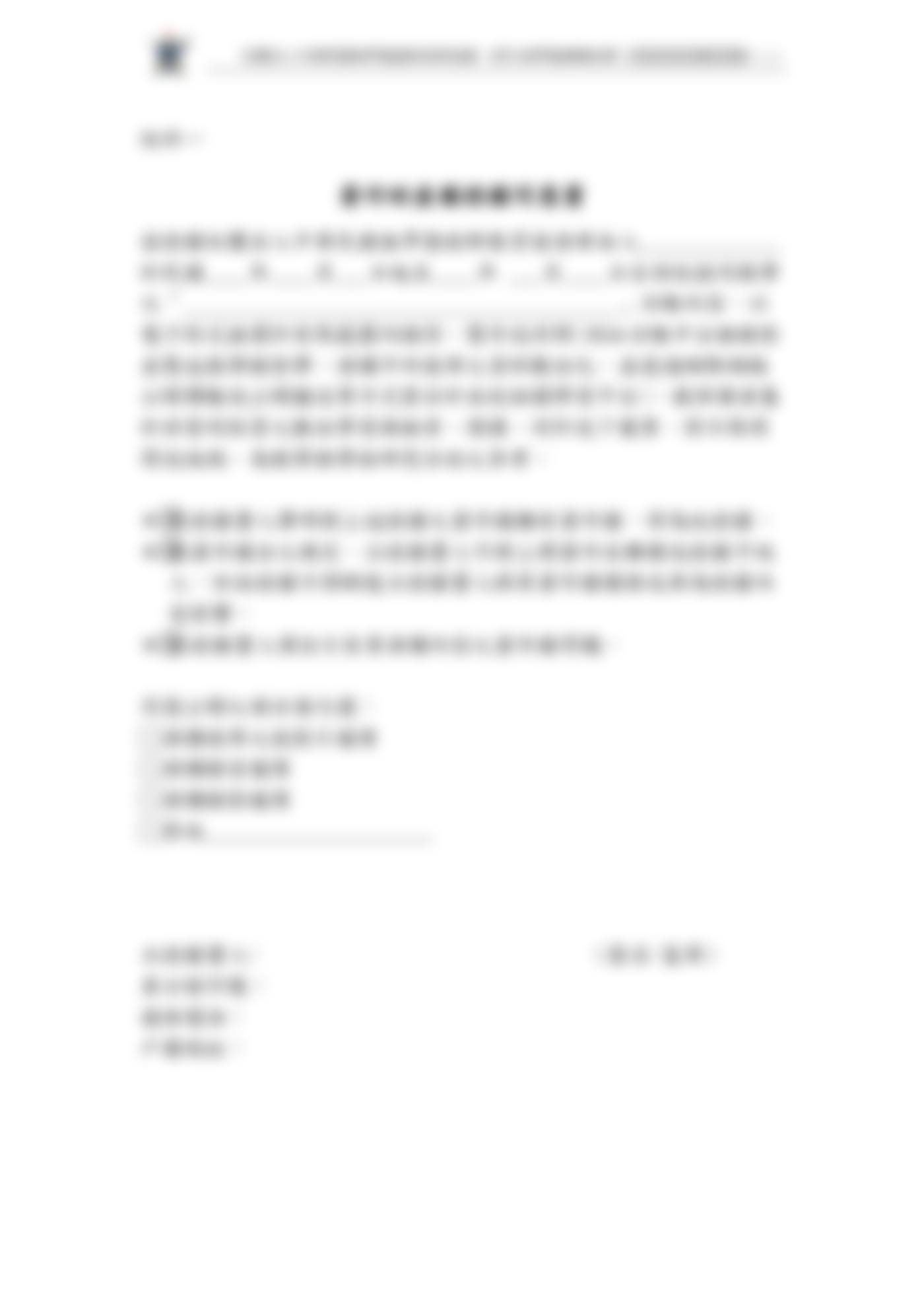
Attachment One: Intellectual Property Authorization Consent Form (original beta document). It protects the mentor’s intellectual property, but not one document in the set addresses the ownership of student work. Document has been blurred.
Reading the entire package from start to finish, you find it protects three things: children’s physical safety (the declaration and gender equity clauses), the institution’s name (Clause Seven), and the mentor’s intellectual property (Attachment One).
Not a single clause addresses who owns what students produce during the course.
This is not a criticism of the people who drafted these documents in 2018. At the time, the idea that student work might carry commercial value was simply outside most educators’ frame of reference. That is how governance documents work: they protect against risks that were imaginable when they were written. The real world’s disputes leak through the gaps no one thought to close. Only when a conflict actually surfaces does everyone look back and realize: something was missing here. Fill it in when you find it, that’s my view, and there is no shame in it. It is, if anything, the mark of working at the frontier.
So if an educational organization were drafting a mentor contract today, I would recommend adding Clause Fourteen: the ownership of work students produce during the course, and the terms of any subsequent use, must be agreed upon in writing before the course begins.
The Appointment Letter: One Thin Page, Two Jobs
The thinnest document in the stack is the appointment letter. “We hereby appoint Mr./Ms. [name] as a Professional Mentor Teacher for [school name] for the academic year [year],” the principal’s signature, one page.
Appointment Letter (original beta document). Document has been blurred and de-identified.
It looks ceremonial. It does two things. For the mentor, it confers formal standing, an appointed teacher, not a friend doing a favor, which is both an honor and a recognition of professional status. For the institution, it brings the relationship into a governable state: Clause Six of the contract specifies that if disqualifying conditions are discovered after the fact, the per-session fees, travel reimbursements, and the appointment letter itself are all subject to recovery.
Honor and accountability, printed on the same page.
Why This Deserves an Article
Because it almost never appears in the story that gets told about educational innovation.
The microschool movement in the United States is growing quickly, but a 2025 sector survey found that 78% of microschools had not obtained accreditation from their home state. The narrative of liberation runs faster than governance; this is a global pattern. The stack of beta documents that a Taiwanese self-directed learning institution produced in 2018 demonstrates a different posture: wherever innovation goes, the institution tries to follow with structure. Where it hasn’t caught up yet, the gap gets acknowledged rather than ignored. That acknowledgment is not embarrassing. It is precisely the mark of working at the edge.
In “The Hidden Ledger of Educational Innovation,” I calculated the real costs and labor hours of project-based education. In “The Entrepreneurship Course,” I wrote about what a mentor actually looks like inside a classroom. This article is about what runs behind both of those: documents, procedures, deliberation, sign-offs. None of it appears at the year-end showcase. Without it, though, the showcase is just a one-time event.
Every filename in that stack still carries the word beta. It calls to mind something Reid Hoffman wrote in The Start-up of You: the subtitle says it plainly, you are always a work in progress.
I find that completely right, and I want to share this with anyone interested in innovative education: these documents were not left unfinished. Governance documents simply do not have a final version. Every dispute forces a new clause into existence. What matters is staying awake to conflict, noticing the friction and the misalignments, and being genuinely willing to keep revising, treating that as the work itself. We cannot guide children through a dynamic world using static clauses and then expect them to develop flexible minds and the courage to face uncertainty. Not wasting a single conflict: that is my sincere hope.

💬 Comments
Loading...