Series
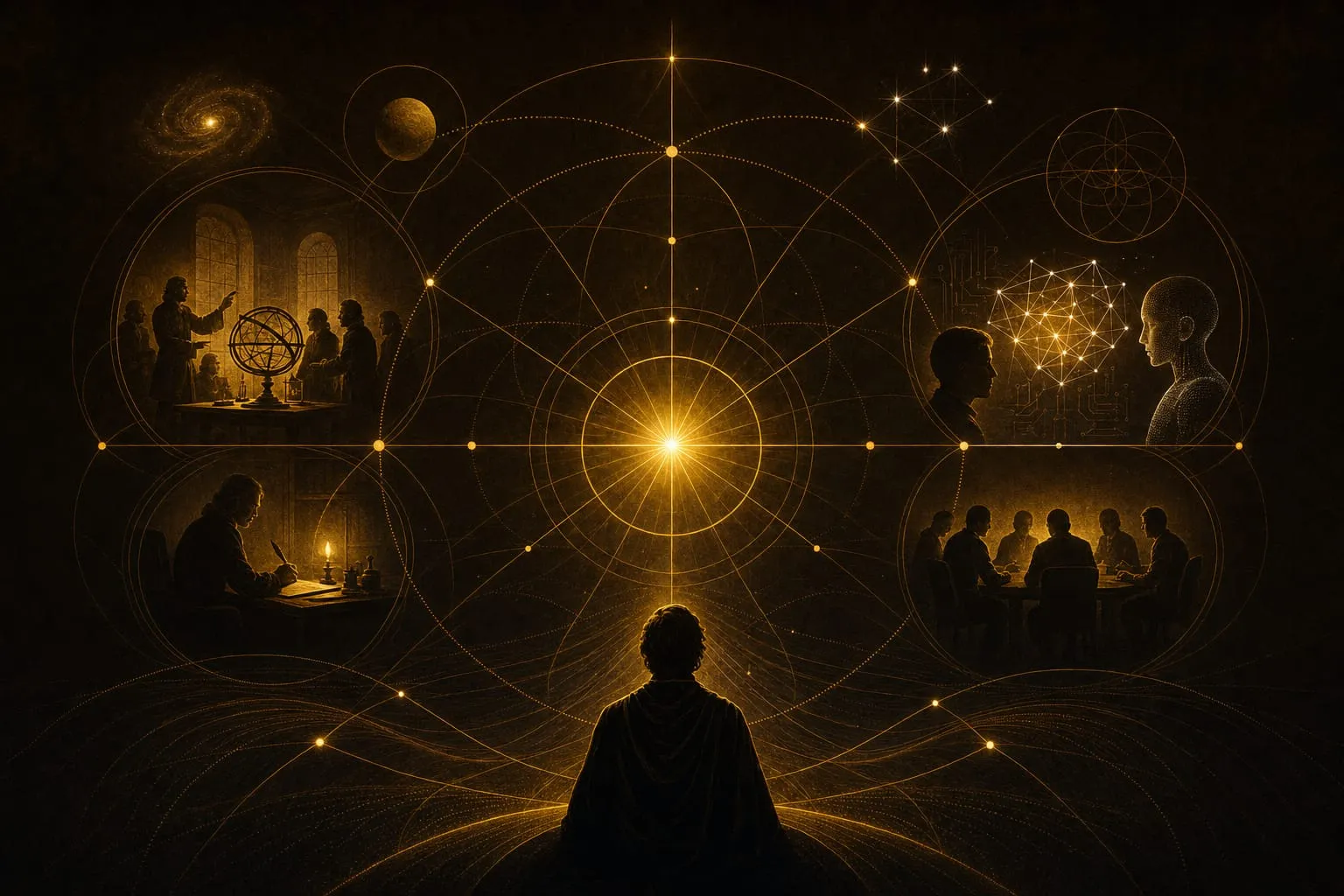
Faith in the Age of AI
In February 2026, the Pope urged priests to resist the temptation of using AI to write their homilies. In May, he handed his first encyclical, in its entirety, to AI for help. This series began earlier than either of those events. It starts from a very personal place: I spent fifteen years in theological training, and I also work with AI every day. Both are true. The series neither defends the faith nor sides with technology. It only wants to think one question through clearly: when a tool grows powerful enough to start pressing the question of what a human being is, who gets to keep the definition of judgment and value? The tools keep changing. The question is very old.
- AI Cannot Replace Faith: A Lesson from the Pope for the 'Efficiency-First' GenerationSome things are valuable precisely because they cannot be optimized. (The easiest one to start with.)
- 1665 to 2026: A Theological Dialogue from the Royal Society to AnthropicThe 'science vs. faith' opposition is a nineteenth-century invention. This conversation never stopped.
- The Church Is Not Too Slow. It Has Forgotten What Should Stay Slow.Institutions respond fast. The real problem is that trust has been handed over while no one guards the rhythm.
- "Technology Is Never Neutral": The Pope's AI EncyclicalAI is not just technology policy. It is about what a human being is.
- The Necessity of IncarnationAI's core flaw is not technical. It is ontological. (The deepest one; save it for last.)
- The Fundamentalist Trap: When Faith Turns from Inquiry into JudgmentThe most dangerous faith is not the one that is wrong, but the one that has stopped breathing. (2024)
FAQ
- What did the Pope say about AI?
- Leo XIV's first encyclical frames AI as a question about what a human being is, not merely a matter of technology policy, and asks clergy to resist having AI ghostwrite their homilies.
- Can Christians use AI?
- This series is not about whether you may use it. It is about whether, when you do, judgment and rhythm stay with the human.
- What is this series' stance?
- It takes neither side: it does not defend the faith, nor does it side with technology. It guards a single question.
Newsletter
Subscribe to new posts
Get an email whenever a new article is published. No ads, no list-selling, one-click unsubscribe anytime.
You will get a confirmation email; click the link to complete your subscription.